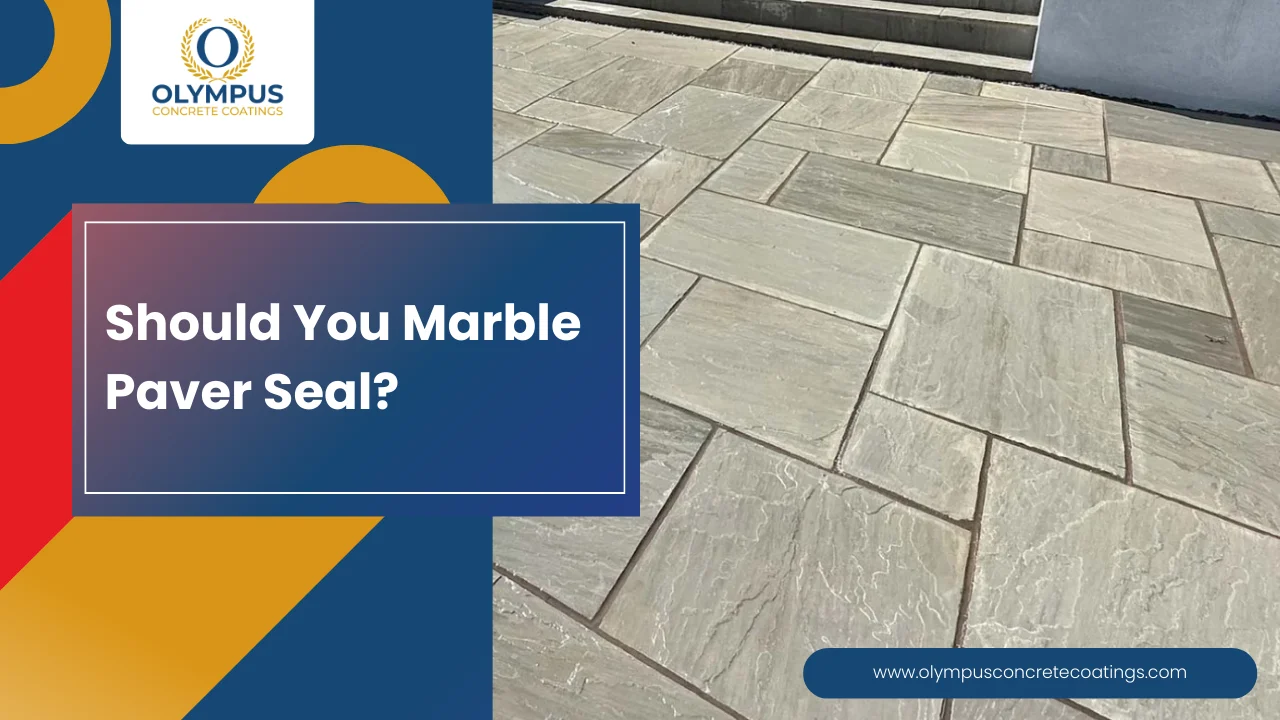
Marble paving forms a beautiful exterior surface that is of traditional style and high endurance. Many homeowners wonder: Should You Marble Paver Seal? The answer is yes in the majority of cases when you want to secure your investments and have your outdoor areas looking splendid in the years to come. This is a detailed guide on what seal entails, the purpose of a seal, the frequency of sealing, and whether it is worth the hassle.
Marble is a natural stone, and it is porous. It means that it will absorb water, oils, dirt, and all other things when not covered. Sealing fills the pores with a protective coating. This helps keep liquids and contaminants from penetrating deep into the stone. This doesn’t make marble waterproof, but it greatly boosts its strength against outdoor wear and tear.
Sealing can improve the stone's appearance. It makes colors richer and gives the surface a fresh, vibrant look. Plus, it helps the stone last longer.
Marble is porous. Other liquids, such as beverages, oils, or even pool water, may spill over. Plant debris may also get in and cause permanent impressions. Sealing decreases the rate of absorption, and then it is simple to wipe any spill before it leaves any stain. This is particularly so in places where accidents mostly occur, such as around dining areas, outside kitchens, or around pool decks.
The marble used outdoors is exposed to the sun, rain, wind, and changes in temperature. The stone can get damaged as it ages. The natural color may fade because of UV rays, moisture, and the freeze-thaw cycle. These environmental pressures can be avoided with a great sealer. It will help extend the life of the pavers.
Raw marble is more prone to the collection of dirt and organic constituents in its pores. Sealed marble stays cleaner longer. This is because dirt collects near the surface. You can easily wash or sweep it away. This saves you time on scrubbing and will cause the surface to appear fresh.
A lot of house owners value the more pleasing appearance offered by sealers. Other sealers enhance the natural look of marble with its tones and veining, making the pavers look more polished or brighter. Some of them are made to maintain the natural matte texture in case you do not want gloss.
Marble pavers are an investment in the long run for the outlook of your home and the value of your home after sale. Sealing adds a layer of protection. It helps prevent damage over time. This can save you from costly repairs or early replacements due to weathering, erosion, or deep stains. It can reduce long-term costs by less maintenance and increased lifespan.
Covering the body is rather advantageous in most of the cases, yet there are some exceptions, when it cannot be a necessity or an individual choice:
Covered rural setting: Sealing might not provide a big visual impact in settings where there is little foot traffic and exposure to the weather.
Dense, low-porosity stone: There are some types of stones that do not absorb water. Marble is however porous in general and most outdoor installations should be sealed.
Tendency to prefer an entirely natural appearance: When you do not wish for any sheen or perceived color shift, some homeowners do not seal, but breathable penetrating sealers may be used to reduce the chance of appearance change.
Even there, sealing is still a simple method to provide additional protection at a comparatively low cost if it is done properly.
Although sealing has significant advantages, it has not been considered without considerations:
Sealers are not permanent. They wear away over time due to exposure to sunlight, rain and frequent use. Most professionals recommend reapplying the sealant every few years. This depends on weather conditions and foot traffic. You can also use a basic test, which is sprinkling water on the surface. When it stops beading up, then it is probably time to reseal.
Some kinds of sealers - particularly those that produce a wet or glossy appearance - may cause marble pavement to be slippery when wet. This may be an issue with pool decks or highly trafficked places. The correct kind of sealer and, potentially, a non-slip additive can be used to alleviate this problem.
Other sealers change the color or the gloss of the stone. This isn’t always bad. Many homeowners find it appealing. Still, check a small, hidden spot first. This way, you’ll see how it looks overall.
It does not have any sort of universal rule since factors such as climate, foot traffic and sun exposure are all varied. In general:
Open-air patios, those often used, or near pool edges may need sealing more often than shaded or lightly used patios.
The above-described water test can be used to assist in determining the time when the existing sealer has worn off or not.
Regular inspections and maintenance help you spot wear and tear early. This keeps your protection intact.
Sealing is a DIY project in case you are comfortable with proper preparation and usage.
Before placing the pavers, clean and dry the area. Then, cover the pavers with a sealer. You can spray or roll it on. Taking your time and following instructions closely really improves the outcome.
Professional sealing may be expensive, but it is likely to be the best cover and to last longer. It minimizes the possibility of making mistakes in using your product.
The professionals were concerned about three broad areas:
This is especially important for large spaces or complex designs, like pools or staircases.
Yes, it is a good idea to seal marble pavements. It protects your investment. It cuts down on maintenance. In addition, it makes your outdoor areas look good over the years. It inhibits stains, weather and fading. It also limits the surface wear. This offers convenience in cleaning and also makes the stone look natural.
Sealing is not a solution once applied, it is a process. To make your protection strong, you should do periodic resealing.
We use high-quality products and competent methods. This assists you in maintaining clean and hard-wearing outdoor spaces.
When it comes to reliable quality work and workmanship, select Olympus Concrete Coatings to deliver the goods.
Do pavers made of marble require sealant?
Yes, marble is porous. Covering it is an aid in resisting stains, moisture, and weathering. This is particularly significant for outdoor installations.
What is the frequency of resealing marble pavers?
The sealing process is usually done after every 1-3 years in the case of the outdoor pavers, and even more often in areas where the exposure is intensive.
Will seal my marble?
Certain sealers also add color and gloss, whereas others are more natural. It is best to test on a small area first to determine.
Does sealing render marble slippery?
Glossy or film-forming sealers may be slippery when wet. This concern can be reduced with the help of the right type and non-slip additives.
Shall I close myself or contract an expert?
Good preparation can be self-sealing, but the results of getting a pro are usually more positive and long-term.


